By Nazin / September 22, 2025
Most aspects of our lives are now online, whether it be shopping, learning, or entertainment. As a result, marketing has followed suit. Like the changes in how we utilize time online, the nature and execution of information are different today than before. Users are increasingly selecting visual content, some of which is dynamic and interesting, instead of written content. This is why video marketing strategies has become such a critical part of digital marketing today.
THE ROLE OF VIDEO MARKETING:
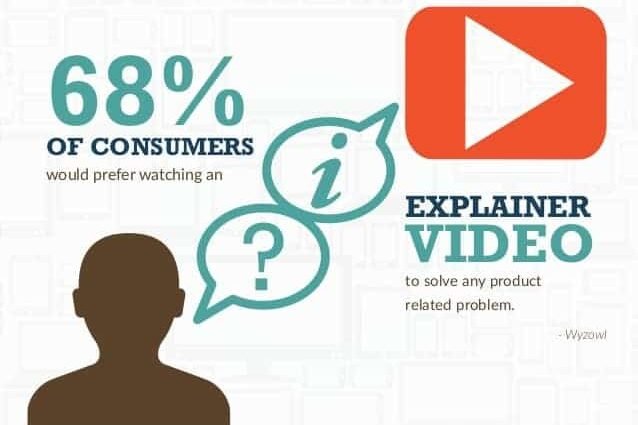
Watching videos is the easiest way to learn and comprehend in our lives. Video marketing has consequently become the most impactful and effective marketing effort on the market. Videos are particularly attractive to customers, since they do not have to read and re-read the text to gain enough understanding. If customer reviews and case studies are in video format, consumers are trusting the brand. Video content has the power to influence customers to purchase a product or engage in a service, increasing a business’ sales.
HOW MARKETERS UTILIZE VIDEO MARKETING STRATEGIES
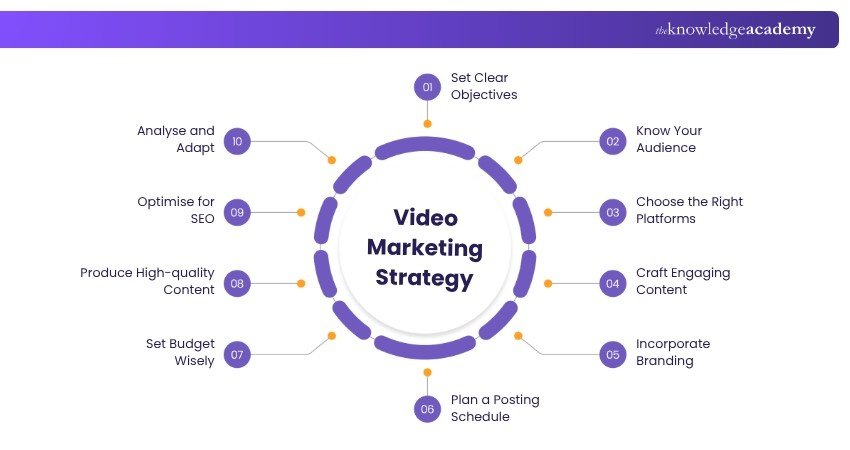
They develop videos that satisfy customer needs, interests and behaviors based on their understanding of different customer segments. The first 5–10 seconds of a video need to have an element of engagement. They use storytelling, visuals and a Call to Action (CTA). They measure metrics including total views, engagement, click-through rate and conversions rate to assess video success. Based on the metrics, marketers use information to improve content and repurpose the same video in different ways.
OPTIMIZING VIDEOS FOR SEO
Let us proceed to discuss the nitty-gritty of making sure your videos not only live on the internet, but we are going to dive deep into video optimization for searches. Let us be honest, if your video is not ranking in searches, does it even exist?

Evaluating the Performance of Your Video Campaigns:
Critical Metrics to Monitor
you have started your video campaigns. Now what? Here are a few critical metrics you will want to monitor your videos by so you can tell how effective it is:
- Views – Pretty self-explanatory, but how many views are you getting for your videos?
- Engagement Metrics – Likes, comments, shares, subscriber gain are all metrics of how engaged audiences are with your video content.
- Conversion Rate – Are your videos converting viewers into customers? This is a key metric to understand your return on investment (ROI).
- Play through Rate – How many of those people are actually watching your video?
- Click-through Rate – Essentially, how effective your video’s thumbnails or ads are at driving traffic.
To effectively measure success, you first must have the right tools available. Here are some options that may be useful: Google Analytics for website traffic and user engagements.
.Social Media, Insights to provide detailed demographics and engagement data on users on platforms like Facebook and Instagram.
.Video hosting platforms give you metrics on viewer behaviors and engagement levels such as YouTube.
THE FUTURE OF VIDEO MARKETING:
Where is video marketing strategies headed in the future? It is focused on innovation. Towards new forms of videos, including interactive and virtual reality, things are looking very exciting. Be aware of technology and ready to adapt. The important part is to remain flexible and open-minded about new things.
What are the best platforms for video marketing?
The best platforms depend on your audience. Some popular options include YouTube, Facebook, and Instagram. Research to find out where your audience spends time and concentrate your efforts on those sites.
TYPES OF VIDEO MARKETING STRATEGIES
Explainer Videos – These are brief videos that give straightforward, easy-to-understand explanations of a concept, product, or service.
Product Demos – These videos demonstrate aspects of a product or service by showing its features and benefits.
Tutorials – A step-by-step video guide that assists your audience in overcoming a challenge.
Brand Videos – A video that conveys complexities about your brand, mission, or values, while developing brand identity.
Testimonial – Videos that feature happy customers while establishing trust and credibility.
Live Streaming – Real life video for Q&A sessions, events, and product launches.
Social Media Shorts – These videos are short and engaging and are designed for social media use.
HOW VIDEO MARKETING BOOST SALES
We are seeing that video marketing strategies can only help to increase sales and bring more customers. This method is very good for making people buy products. Research actually shows that customers definitely buy more products after watching videos. Video marketing actually leads to higher sales rates compared to other methods. This occurs because video marketing strategies educates customers about products, which in turn boosts their confidence when making a purchase.
HOW VIDEO CAN INCREASE CUSTOMERS RELATIONSHIPS.
They definitely indicate that real people have a great experience with the product or service. The data clearly expresses the value and satisfaction customers get using their service or product. Educational videos create a way for businesses to inform customers about their product or service, and dive deeper into topics in their industries. When businesses actually show real customers talking about their experiences, they can definitely prove how good their products are. The video format itself makes complex information easier to understand. Businesses can actually build trust with their audience by sharing valuable content..
CREATING AND PROMOTING EFFECTIVE VIDEOS FOR YOUR AUDIENCE.
Videos should actually be 2–3 minutes long because this length definitely works best for most viewers. Basically, most people watch videos on phones now, so you need to make your videos work the same way on mobile devices for better viewing. You should actually use responsive design and definitely make sure your videos load quickly on mobile devices. This approach ensures smooth video playback across all screen sizes. Creating a video alone is not enough; you also need to promote it to reach the widest possible audience.
DIFFERENCE BETWEEN DIGITAL MARKETING AND VIDEO MARKETING STRATEGIES
Digital marketing is a broad term for the different methods of marketing a brand online, such as leveraging paid advertisements, SEO (search engine optimization), social media marketing, email marketing, or influencer marketing. Video marketing strategies, on the other hand, is a unique process by which people use a tech-based approach to create and advertise videos that attract and convert people through visual and emotional storytelling.